About this event

  • Date and time Thu 9 Oct 2025 from 5:30pm to 8:30pm
  • Location Royal Society of Medicine
  • Organised by Ophthalmology

Genetic eye disease is a leading cause of blindness worldwide, with inherited retinal diseases being the leading cause of sight loss among working-age adults in the UK. There are over 500 genes known to cause genetic eye disease.

This lecture will detail genetic conditions affecting various parts of the eye and discuss the latest research into advancing our knowledge of disease mechanisms and potential new genetic therapies. It will improve our understanding of how genomic medicine and research can impact patients with genetic eye disease. 

By attending this lecture, you will

  • Gain in-depth clinical insights into rare genetic eye diseases 
  • Advance your knowledge on the state-of-the-art treatments under development for genetic eye diseases; what the limitations are, new technologies, and what’s on the horizon for patients 
  • Explore how research can help inform the clinical care we provide patients with genetic eye disease


Key speakers

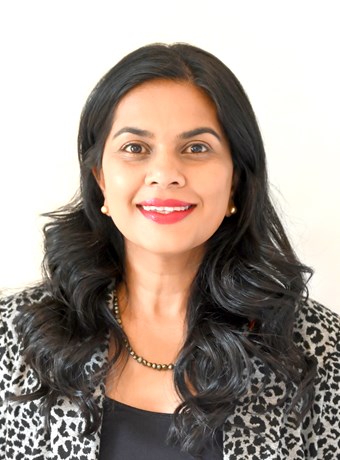
Mariya Moosajee (1)

Professor Mariya Moosajee

Professor of Molecular Ophthalmology at UCL Institute of Ophthalmology, Group Leader of Ocular Genomics and Therapeutics at the Francis Crick Institute, Consultant Ophthalmologist at Moorfields Eye Hospital and Great Ormond Street Hospital for Children, London, UK 

Speaker's biography

Professor Mariya Moosajee is a clinician scientist, she is a Consultant Ophthalmologist specialising in Genetic Eye Disease and Head of the Genetics Service at Moorfields Eye Hospital, Professor of Molecular Ophthalmology at UCL Institute of Ophthalmology, and Group Leader of Ocular Genomics and Therapeutics at the Francis Crick Institute in London. She graduated with First Class Honours in Biochemistry and Molecular Genetics in 2000, Medicine (MBBS) in 2003, and was awarded her PhD in Molecular Ophthalmology in 2009 all from Imperial College London. She has been awarded over 35 international and national prizes for her research and has over 150 peer-reviewed scientific publications. She has been named in top 100 most influential people in ophthalmology worldwide in The Ophthalmologist Power List every year since 2022.


Her clinical focus is providing a genomic ophthalmology service for children and adults affected with genetic eye disease. Her clinical research involves deep phenotyping and natural history studies on molecularly confirmed rare disease patient cohorts to understand disease progression and define outcome metrics for clinical trials. In the laboratory, she is advancing our understanding of the molecular basis of inherited retinal dystrophies, using zebrafish disease models and human induced pluripotent stem cell derived retinal organoids. This permits the identification of potential therapeutic targets for development of treatment strategies, including small molecule drugs and non-viral gene therapy. Professor Moosajee is the President of the UK Eye Genetics Group, the Past President of Women in Vision UK, and the Equality, Diversity and Inclusion (EDI) Lead for the National Institute of Health Research (NIHR) Biomedical Research Centre at Moorfields Eye Hospital and UCL Institute of Ophthalmology.


Agenda

View the programme 09 October 2025

Registration, tea and coffee

Welcome and introduction

Miss Evelyn Mensah, President, Ophthalmology Section, Royal Society of Medicine 

A genetic trip around the globe

Professor Mariya Moosajee, Professor of Molecular Ophthalmology at UCL Institute of Ophthalmology, Group Leader of Ocular Genomics and Therapeutics at the Francis Crick Institute, Consultant Ophthalmologist at Moorfields Eye Hospital and Great Ormond Street Hospital for Children, London, UK 

Questions and answers
Vote of thanks
Close of meeting

Drinks reception

Location

Royal Society of Medicine, 1 Wimpole St, Marylebone, London, W1G 0AE, United Kingdom


Registration for this event will close at 1:00 am on Wednesday, 8 October 2025. Late registrations will not be accepted.

The agenda is subject to change without notice.

If the event is recorded, only sessions with speaker permission will be made available afterward, and availability is not guaranteed.

All views expressed at this event are of the speakers themselves and not of the Royal Society of Medicine or the speakers' organisations.

This event will be recorded and stored by the Royal Society of Medicine and may be distributed in future on various internet channels.