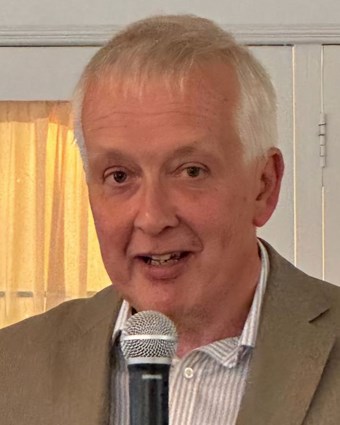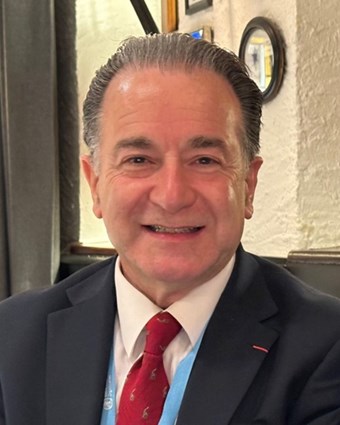
Professor Nadey Hakim, MD, PhD Hon.D.Arts
Current President of History of Medicine Section at the RSM; President of The Transplantation Society; Vice President of the International Medical Sciences Academy; Professor of General Surgery at Lerner College of Medicine: International Relations Director Cleveland Clinic London; Professor of General Surgery Lerner College of Medicine Cleveland Clinic; Visiting Professor of Transplantation, University of Oxford; President of The Transplantation Society; President American College of Surgeons (UK Chapter)
Speaker's biography
Professor Hakim gained his medical degree from Paris Descartes University with the prestigious award of "Laureate of the Faculty of Medicine". He then trained in Surgery at Guy’s Hospital London before obtaining his PhD after completing a Gastrointestinal Fellowship at the Mayo Clinic and a Transplant Fellowship at the University of Minnesota. Professor Hakim’s academic awards and professional achievements are also extensive, including: five honorary professorships at universities worldwide including Baskent University and several international visiting professorships. In 2007, he was awarded the J. Wesley Alexander Prize for outstanding transplantation research.
Additionally, Professor Hakim established the first Pancreas Transplant Programme in South-East England and served as the British surgeon on the international team that performed the world’s first successful arm transplant. He was also the first surgeon to be awarded the prestigious Max Thorek Professorship of Surgery.
Formerly World President of the International College of Surgeons and Vice President of the Royal Society of Medicine and British Red Cross, he is a member of several professional organisations, holds educational roles such as Assessor for the Royal College of Surgeons of England, Member of the International Relations Committee of the American College of Surgeons and President of the UK Chapter of the American College of Surgeons. With over 250 peer-reviewed papers and 24 textbooks, he is also a prolific author and sought-after international speaker.